Talent Acquisition Strategy and Process FAQ | Expert Hiring Insights
Welcome to our comprehensive FAQ on Talent Acquisition Strategy and Process. Here, we provide expert answers to help you improve your hiring outcomes, optimize recruitment marketing, and build a strong talent pipeline.
What is Talent Acquisition Strategy and Process?
Talent Acquisition Strategy and Process refers to a structured, strategic method organizations use to identify, attract, and hire top talent. This approach includes workforce planning, employer branding, sourcing, candidate engagement, and onboarding. Unlike reactive recruiting, talent acquisition aligns long-term hiring goals with business objectives to drive sustainable growth. According to the Society for Human Resource Management (SHRM), businesses with a defined talent acquisition strategy are more likely to succeed in competitive markets.
Why is Talent Acquisition Strategy and Process Important for Businesses?
Implementing an effective Talent Acquisition Strategy and Process helps ensure the right people are in the right roles at the right time. It reduces time-to-fill, lowers cost-per-hire, and enhances employee retention. Businesses that invest in their hiring strategy often see measurable improvements in productivity, culture fit, and long-term workforce planning.
How to Implement Talent Acquisition Strategy and Process Effectively
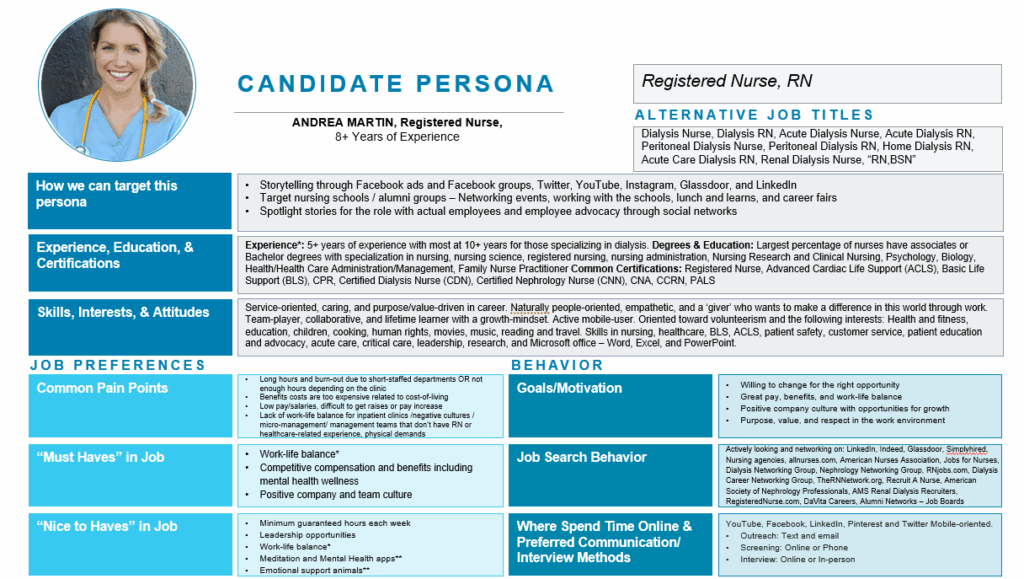
Start with clear workforce planning and create detailed candidate personas. Build a compelling employer value proposition (EVP), and invest in tools like an ATS or CRM. Train hiring teams on structured interviews and inclusive practices. Engage passive candidates with content-driven outreach and continuously analyze hiring funnel performance to improve outcomes. Check out AIHR’s Ultimate Guide to Talent Acquisition
Common Challenges in Talent Acquisition Strategy and Process
Organizations may face challenges such as poor collaboration between hiring teams, outdated recruiting tools, or a weak employer brand. Maintaining engagement during remote hiring, addressing DEI goals, and managing talent pipelines at scale are also common pain points. A well-defined strategy helps overcome these hurdles by improving alignment and consistency.
Measuring Success in Your Talent Acquisition Strategy and Process
Success can be tracked using metrics like time-to-fill, cost-per-hire, source-of-hire, and offer acceptance rate. Advanced teams go further by measuring quality of hire, retention rates, and performance outcomes of new hires. Candidate satisfaction surveys and funnel conversion rates also reveal where the process can improve.
Integrating Talent Acquisition Strategy and Process with Your Systems
To ensure efficiency, your strategy should integrate with existing systems like HRIS, ATS, CRM platforms, and communication tools. A well-connected tech stack allows for seamless data flow and better candidate experiences. For example, syncing a recruitment CRM with your ATS ensures that talent nurturing and application stages are fully aligned.
What’s the Typical ROI of a Talent Acquisition Strategy and Process Implementation?
Companies that implement a strategic approach typically reduce agency spend, improve time-to-hire by up to 30%, and increase candidate quality by up to 50%. By aligning hiring with business objectives, strategic acquisition also contributes to greater innovation, customer satisfaction, and growth over time. Check out SHRM’s guide to creating a talent acquisition strategy.
Bonus: Common Questions About Talent Acquisition Strategy and Process
What are some tips for managing a remote hiring process effectively?
Use clear communication, standardized interview guides, and branded digital experiences. Provide timely updates and leverage video platforms. Assign a coordinator to ensure a smooth candidate journey and maintain engagement.
How do I create a recruitment marketing campaign for a specific, hard-to-fill role?
Start by developing a candidate persona for the role. Craft messaging that highlights role impact, growth potential, and team culture. Use targeted ads on LinkedIn and niche job boards. Include testimonials and visuals to humanize your brand. The very definition of recruitment marketing in Wikipedia. Check out this great Q&A with Craig Fisher on Rally Recruitment Marketing.
How do I create candidate personas for my open roles?
Analyze past hires, interview top performers, and gather input from hiring managers. Identify motivations, goals, concerns, and communication preferences. Document personas to guide content and sourcing strategies. See this HubSpot guide for a helpful framework. Linkedin’s HR Glossary has more.
What are the most effective non-monetary benefits for attracting talent?
Offer flexible work schedules, wellness programs, recognition, mentorship, and learning opportunities. These benefits enhance employer brand perception and support long-term retention.
How do I build a talent community for future openings?
Use a CRM to segment and nurture passive talent. Provide ongoing value through newsletters, webinars, and social media engagement. Invite prospects to participate in virtual events, and share behind-the-scenes culture content regularly.
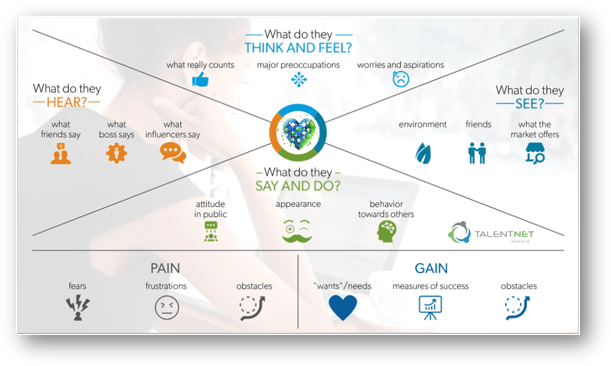
Enjoy These Free Empathy Map and Candidate Persona Templates by TalentNet Media
Download the Candidate Persona Template, Empathy Map, Candidate Experience Audit Templates from TalentNet Media here.